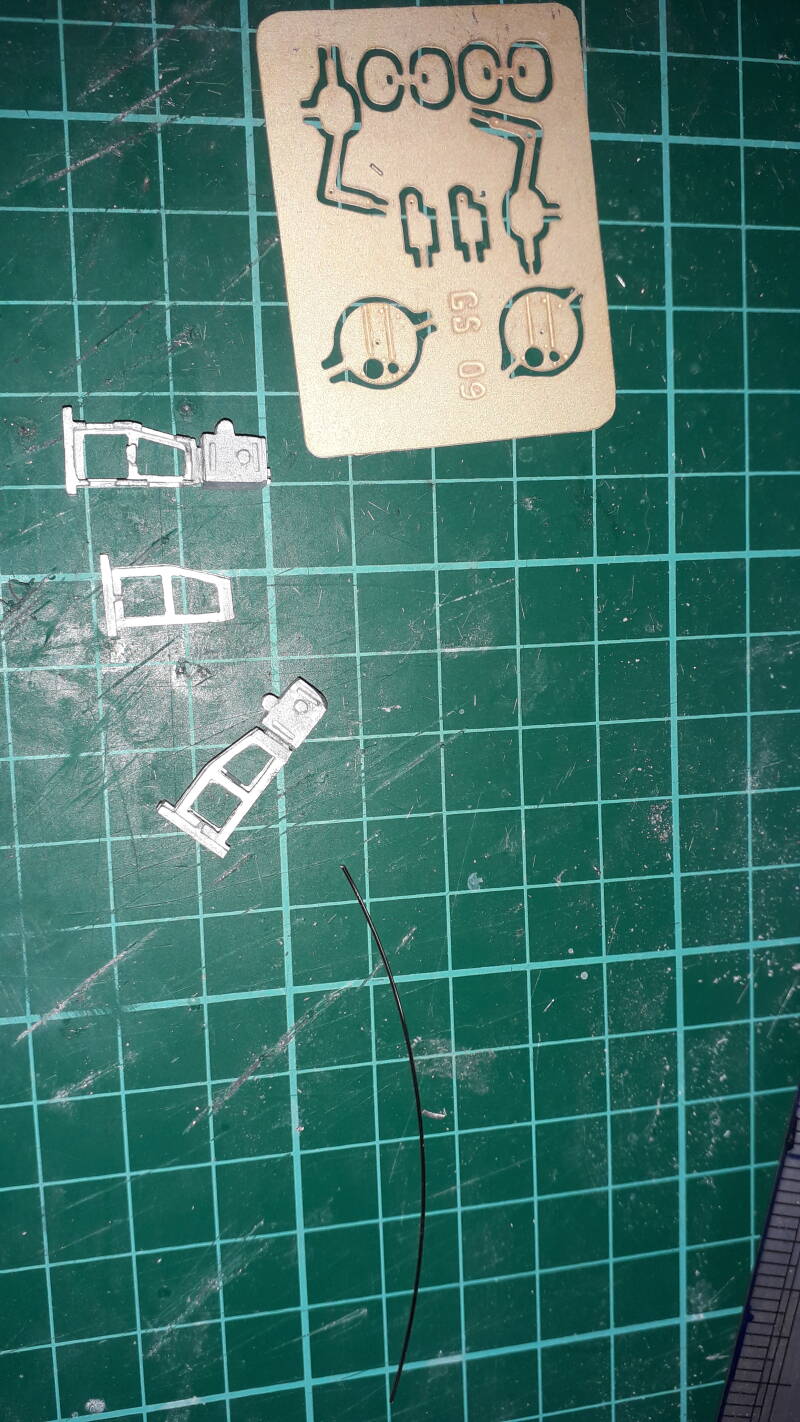
The MSE LMS 1941/BR kit contents.
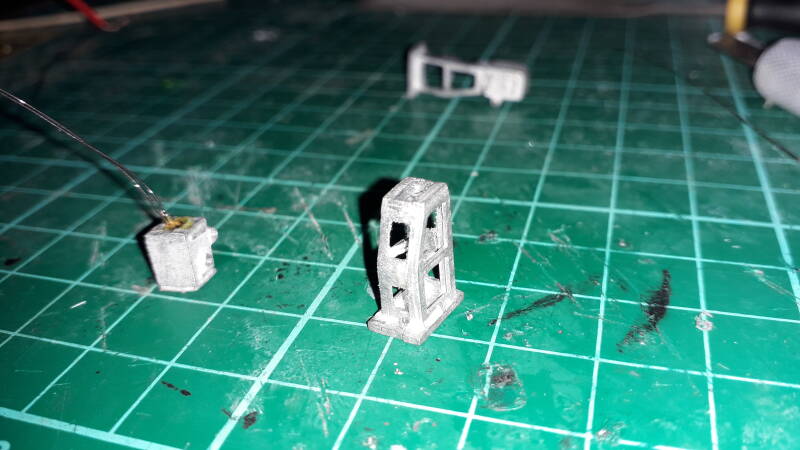
The lamp ready to go on the frame.
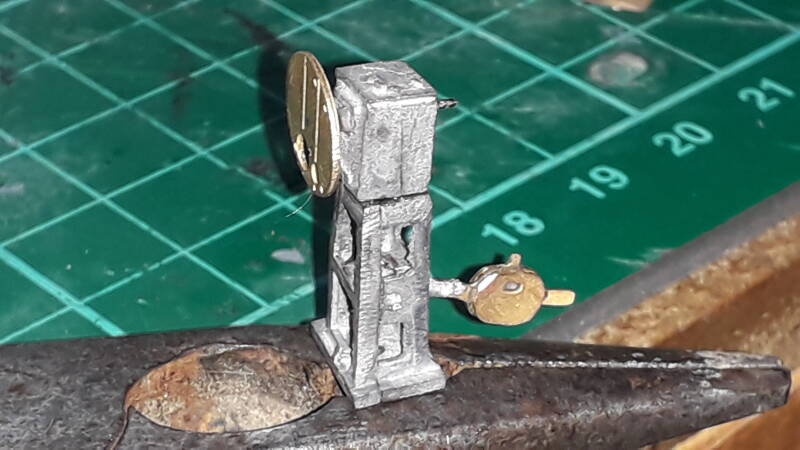
All assembled. You can see the castings might be better.
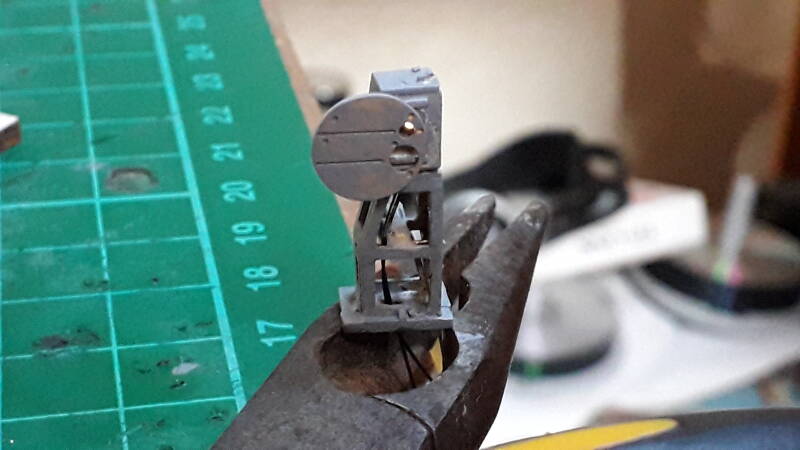
Primed and ready to go.
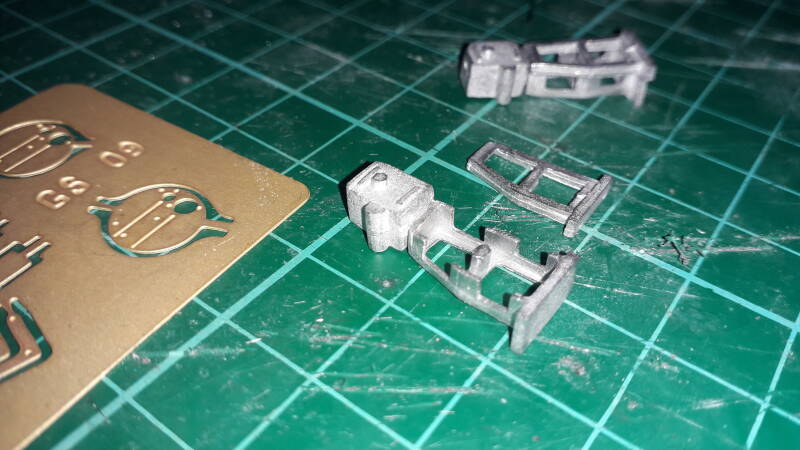
Castings are quite good, but needed cleaning up.

Inserting an LED. This needs a bigger hole at the front, and a smaller one at the back, which is a tell-tale so the bobby can see it is lit from front or back.
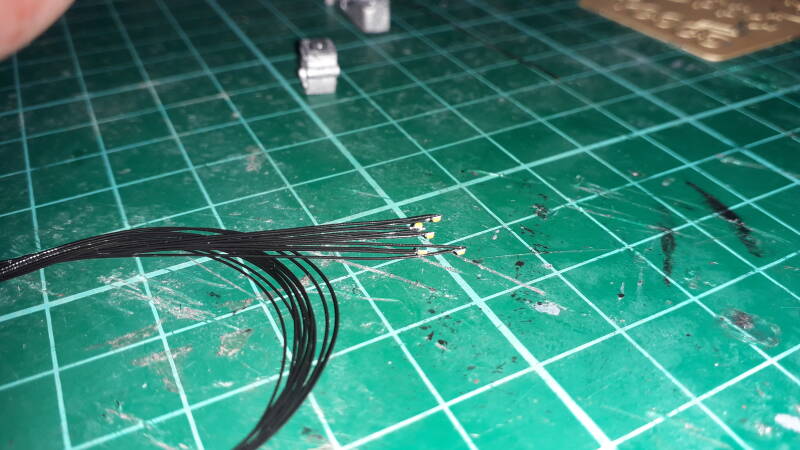
These are the warm white sub mm LEDs from LayoutsForU I use. Minute, with resistor and long very thing wires you can get the in anywhere.
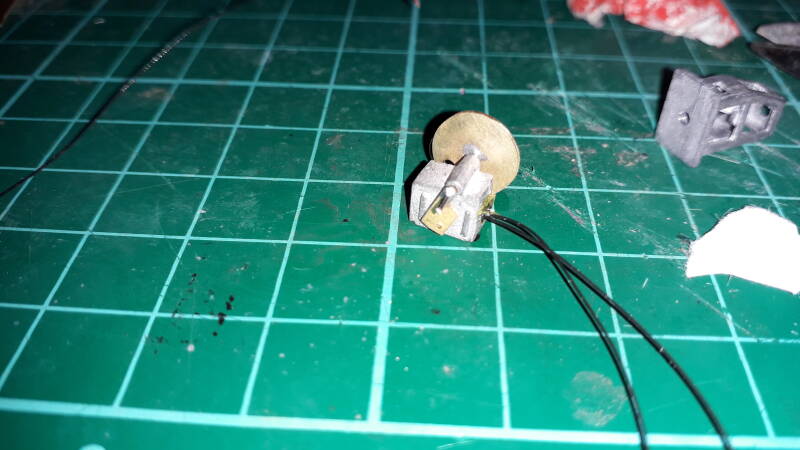
The lamp with the disc and read blind.
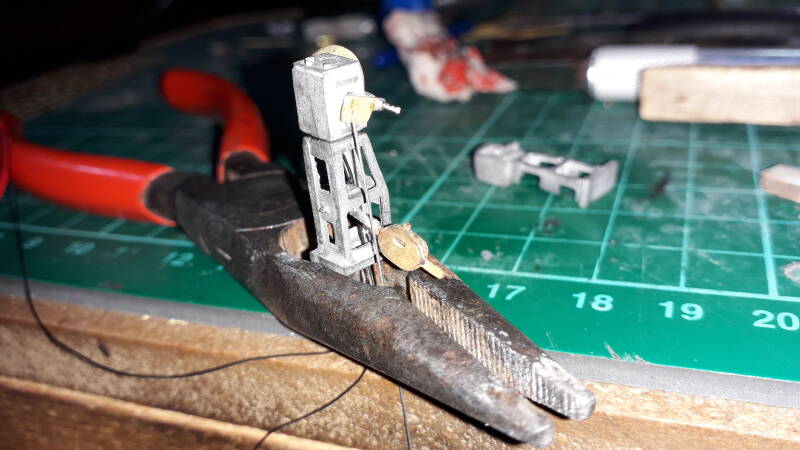
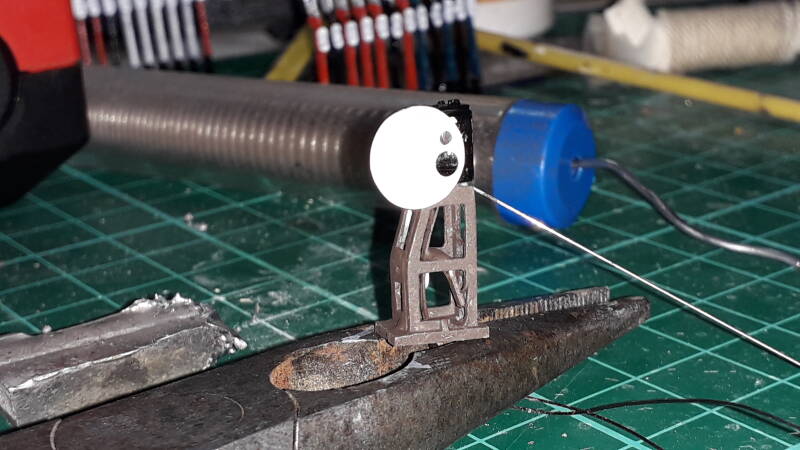
Started painting. The rest of the build photos are lost.
All the signals I've built so far have operating rods to allow servo operation, but trying to retro fit servo's is beyond a nightmare so none are actually operating. The probably never will.
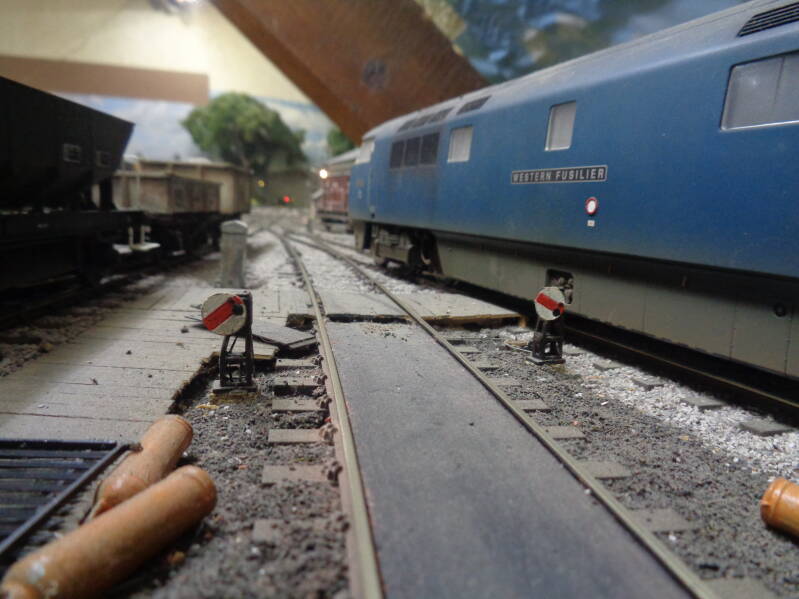
Ground signals, aka dummies, dollies and probably a whole load more local names, control typically no passenger movements inside station limits. Most often, at least on the WR, they control 'wrong road' movements where a movement needs to go 'down' the 'up' road or such. Generally speaking, though not always, absolute block semaphore signalling forbids main signals to permit a wrong road move, so these are provided. A main signal guarantees there is nothing between you and the next signal, ground signals don't - you proceed at caution. They also allow you to pass a main signal, again at caution, right road to approach an obstruction, say to couple up to a train. Though where this happened a lot, at least on the GWR, a subsidiary signal would usually be provided that had a specific meaning. Calling-on arms and such. Dummies are always a white disc with a red bar, and show a red light when 'on' and a green when 'off'. The back of the disc is white with a black bar, and a white light is shown when the signal is 'on' - this indicates to the bobby or anyone else that the signal is lit when they cannot see the front. There is a yellow version of the dummy, with a black disc and a yellow bar (there are some variations on that) that allow the signal to be passed when it's 'on'. Usually this would be headshunt where shunting can carry on passing the signal but points can be set to allow access to a running line or reception road or loop. To allow the points to be set to anything other than into the yard an Annets key, released buy the signalman, would be taken out of the machine and used to unlock a ground frame, the shunter then being able to set the road out of the yard. The actual signals, under the control of the signalman, would be interlocked by the ground frame levers so nothing could be signalled without the key being in the frame. The yellow dummy could now be pulled off, allowing a movement to leave teh yard. Obviouly there has to be communication between the shunter, the driver and the signalman to make this work, but the fail safe is nothing can foul a running line without the signalman having release the key.
Colour light ground signals work the same, but under MAS/Track Circuit Block signalling the concept of wrong road running is all but gone.
Create Your Own Website With Webador